Visiting the Blue Lagoon was one of the things I looked forward to on my trip to Iceland, and it ended up being one of the most unique experiences of the entire tour. If you have never been to a geothermal spa before, the Blue Lagoon is not just a place to swim, it is an experience with its own rules, routines, and surprises.
Because we visited Iceland in March, the contrast of the cold air and the warm, milky-blue water made it feel surreal. If you are planning a trip and wondering whether it is worth the cost, what the rules are, and why everyone warns you about your hair, here is exactly what to expect.
Is Blue Lagoon worth the money?
The Blue Lagoon is one of Iceland’s most famous attractions, and because of that, it is also one of the most expensive. Because I took an EF Go Ahead to Iceland, I was able to purchase this as an excursion. If you go on your own, ticket prices usually start around $70–$100 per person, depending on the package and the time of day you go. Before my trip, I wondered if it would feel like a tourist trap, but once I got there, I understood why so many people say it is worth it.
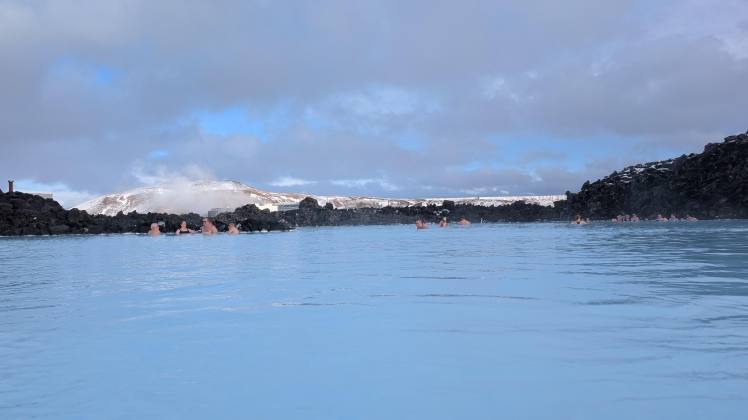
The water stays around 100°F (38°C) year-round, which makes it comfortable even when the air temperature is near freezing. When we visited in March, steam rose from the water while snow sat on the rocks around the lagoon, and it honestly felt like being in another world.
Every ticket includes:
- A silica mud mask
- A complimentary non-alcoholic drink, although you can upgrade
- Access to the lagoon
- Showers
- Towel
- Lockers
A plenty of time to relax, so it feels more like a spa experience than just a pool.

Is it expensive? Yes.
Is it crowded? Not in March!
But it is one of those once-in-a-lifetime experiences that really does live up to the hype, especially if you are already traveling all the way to Iceland.
What are the rules for swimming in Icelandic pools?
Iceland takes pool hygiene very seriously, and that includes the Blue Lagoon. Before you are allowed to enter the water, you are required to shower completely without a swimsuit.
This is normal in Iceland, and there are signs everywhere explaining exactly what you need to wash before getting in the water. The showers are separated by gender, and there are private stalls if you prefer more privacy, but the expectation is that everyone washes thoroughly before entering the pool.
The reason for this rule is that Icelandic pools use very little chlorine compared to pools in the United States. Because the water is geothermal and constantly flowing, keeping it clean depends on everyone following the same hygiene rules.
It might feel awkward at first if you are not used to it, but once you realize everyone else is doing the same thing, it just becomes part of the experience.
Why can’t you get your hair wet in the Blue Lagoon in Iceland?
Before getting into the lagoon, the staff strongly warns you to put conditioner in your hair and leave it in while you swim. They also suggest tying long hair up and trying not to get it wet if possible.
The reason is the silica in the water.
The Blue Lagoon gets its color from silica, algae, and minerals in the geothermal water. While these minerals are great for your skin, they can make your hair feel extremely dry and stiff if it gets soaked. If you have long hair, it can feel almost like it has glue in it after being in the water.
Conditioner helps protect your hair, and there are large dispensers in the locker rooms for everyone to use before getting in. After you finish swimming, you will probably need to wash and condition your hair again, sometimes more than once, to get it feeling normal.
It sounds like a small thing, but this is one tip you definitely want to follow.
Do you wear clothes in the Blue Lagoon?
Yes, you wear a swimsuit in the Blue Lagoon. They are required.
- Towels are provided depending on your package
- You can walk around in a robe if you upgrade your experience
Pro tip: wear a swimsuit you do not mind putting through a lot. The minerals in the water can be tough on fabrics over time. Here’s a blog on everything I wore in Iceland, including my swimsuit.

What is special about the Blue Lagoon in Iceland?
The Blue Lagoon is not just a hot spring, it is a very specific mix of science, landscape, and atmosphere that you really do not find anywhere else.
Here is what makes it stand out:
1. The color is real, and completely natural-looking
That milky blue water comes from silica and minerals reflecting light. It almost looks artificial in photos, but in person it is even more striking.
2. It is set in a lava field
You are literally soaking in warm water surrounded by black volcanic rock. When you go in March, you could get snow on top of that, which makes the contrast even more dramatic.
3. The water is geothermal
The lagoon is fed by water from a nearby geothermal power plant. It is rich in minerals like silica and sulfur, which are known for skin benefits.
4. It feels like a spa, not just a pool
You are not just standing in water. You can:
- Apply silica mud masks right in the lagoon
- Grab a drink at the swim-up bar
- Move between different temperature areas
- Relax in steam and mist
5. The atmosphere is the experience
The steam rising off the water, the cold Icelandic air hitting your face, and the quiet hum of people relaxing around you create a vibe that is hard to describe but easy to remember.
Here is the honest take: it is touristy, yes, but it earns that reputation. If you go in expecting a basic hot spring, you will miss the point. If you go in ready for a full sensory experience, it absolutely delivers.
If you go
- Booking: Pre-booking online is essential as it frequently sells out.
- Location: ~20 minutes from Keflavik Airport and 50 minutes from Reykjavik.
- Experience: Features a swim-up bar, silica mud masks, saunas, and a steam bath.
- Packages: Options range from Comfort to Premium and the exclusive Retreat Spa.
- Tips: The mineral-rich water can dry hair, so apply conditioner beforehand and tie it up.
Water Properties and Benefits
The lagoon is man-made, with its water originating from the nearby Svartsengi geothermal power plant, where freshwater and seawater combine at high temperatures, creating a unique, healing environment. The silica gives the water its, opaque, pale blue color and is known to cleanse and strengthen the skin.
Visitor Information
The best time to visit is often early morning to avoid crowds, and in winter, it is a prime spot to potentially view the Northern Lights. It remains a top attraction for, luxury travelers, and those looking to unwind after a flight.
 Off Duty Traveler